Choosing a Blockchain Node Provider: What to Test Before You Commit
Node infrastructure
Give providers the same workload, test their capabilities and compare the full deployment scope before committing.
News and updates from DTEAM, alongside practical articles on RPC access, node operations, and historical blockchain data.
Give providers the same workload, test their capabilities and compare the full deployment scope before committing.

Define node requirements for recoverable deposit processing, transaction submission and reproducible reconciliation.
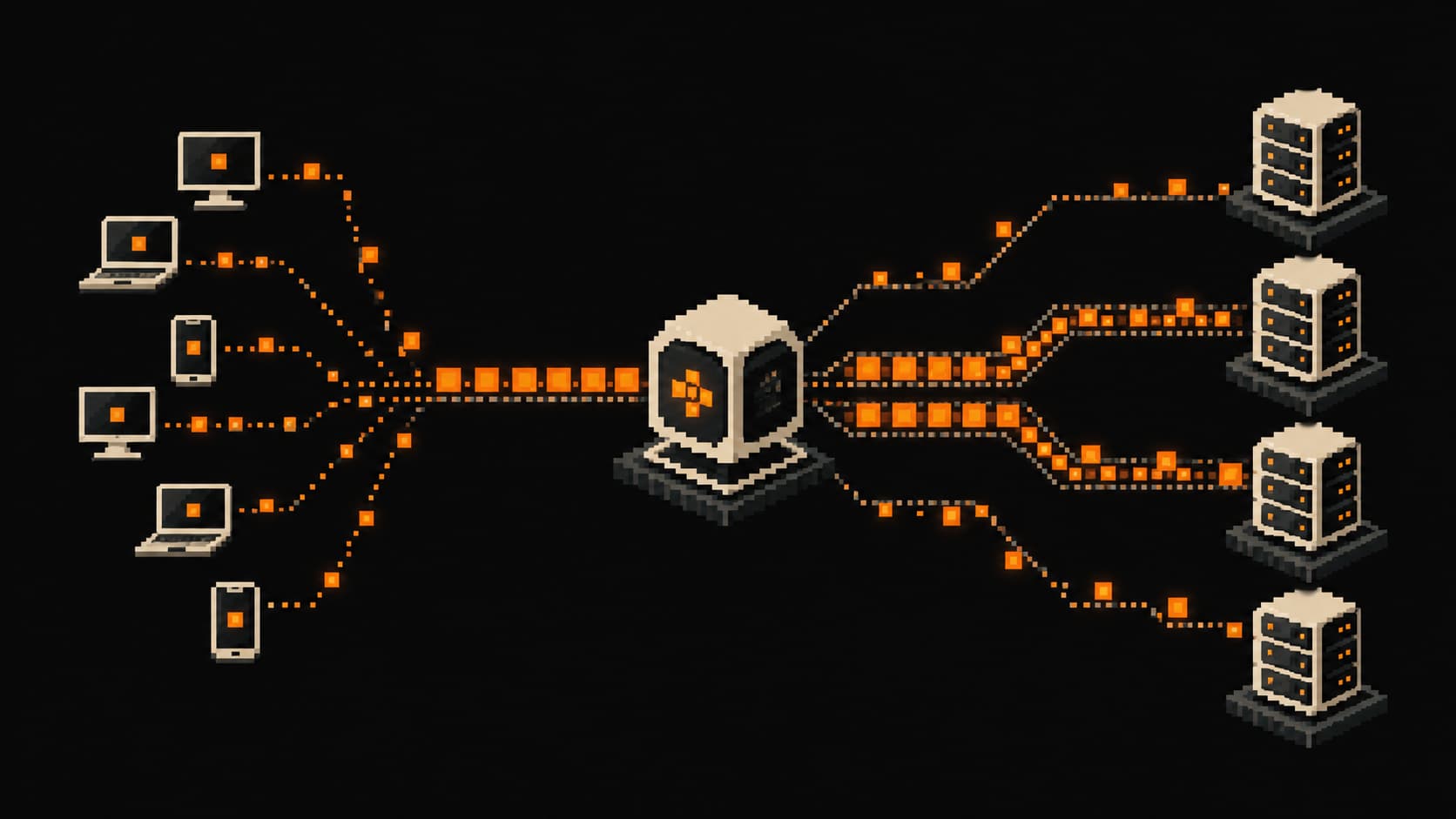
Use subscriptions and polling where each fits, without mistaking incoming notifications for complete application processing.
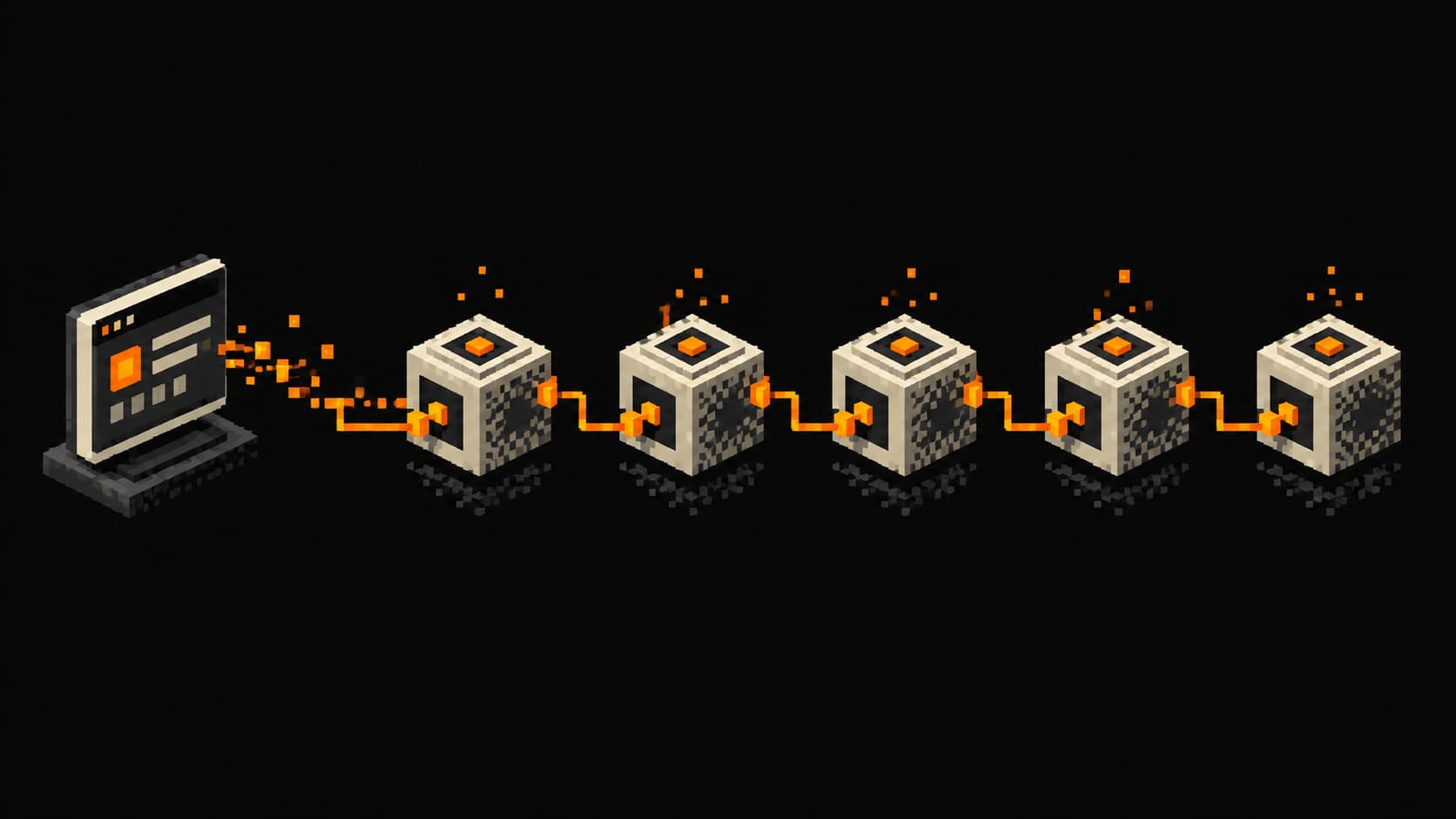
Check whether an RPC endpoint serves the right chain, current data and the methods your application needs, not just whether its URL responds.
Define when to switch RPC endpoints, preserve the meaning of reads and writes, and test recovery before an outage.
Compare RPC endpoints using useful completed work, tail latency and errors under a reproducible application workload.
Size dedicated full or archive nodes for backfills without letting historical queries slow down live indexing.
Identify which RPC limit your application hits, control retries, and compare shared quotas with dedicated node capacity.

Separate endpoint access from dedicated capacity, and check the methods, history and operating commitments your application needs.
RPC is the request layer between an application and a blockchain node. Here is what that means for a production application.
A workload-based framework for deciding whether a shared endpoint is sufficient or dedicated RPC better fits production requirements.

Archive nodes can serve historical state that a pruned node may not keep readily available. Learn where that matters and what to verify.